In youth sports, there’s a persistent myth that the path to elite performance runs through early specialization. Pick one sport by age 8, train year-round, and commit everything to getting great at that one thing. It sounds logical. It’s also wrong.
The research on athletic development is overwhelming and consistent: multi-sport athletes outperform single-sport specialists across nearly every meaningful metric. They suffer fewer injuries, experience less burnout, develop broader athletic skills, and are actually more likely to reach elite levels in their eventual primary sport.
Let’s look at what the science actually says and what it means for young athletes in our community.
The Research on Early Specialization
A landmark study published in the American Journal of Sports Medicine followed over 1,500 young athletes and found that highly specialized athletes were 70-93% more likely to suffer overuse injuries compared to multi-sport peers. The mechanism is straightforward: doing the same movements thousands of times puts repetitive stress on the same joints, tendons, and muscles. Growing bodies are especially vulnerable to this kind of loading.
Research from the University of Wisconsin found that young athletes who specialized in a single sport before age 12 had a significantly higher rate of knee and hip injuries by the time they reached high school. Multi-sport athletes developed more balanced musculature and movement patterns that protected them from the asymmetric stress of single-sport training.
The American Academy of Pediatrics, the National Athletic Trainers’ Association, and the International Olympic Committee all recommend against early sport specialization. These aren’t fringe opinions. This is the mainstream consensus of sports medicine and athletic development research.
Multi-Sport Athletes Dominate at the Highest Levels
If early specialization produced the best athletes, you’d expect elite professionals to have been single-sport kids. The opposite is true.
A study of NFL draft picks found that 88% played multiple sports in high school. Research on Olympic athletes across multiple countries found that the majority didn’t specialize until age 15 or later. In the NBA, players who played multiple sports growing up have longer careers and suffer fewer injuries than those who specialized early in basketball.
The pattern holds across sports and across countries. Multi-sport backgrounds produce better, more durable, more adaptable athletes.
Why Multi-Sport Training Works
The benefits aren’t just about injury prevention. Multi-sport training builds a broader athletic foundation that enhances performance in every sport the athlete plays.
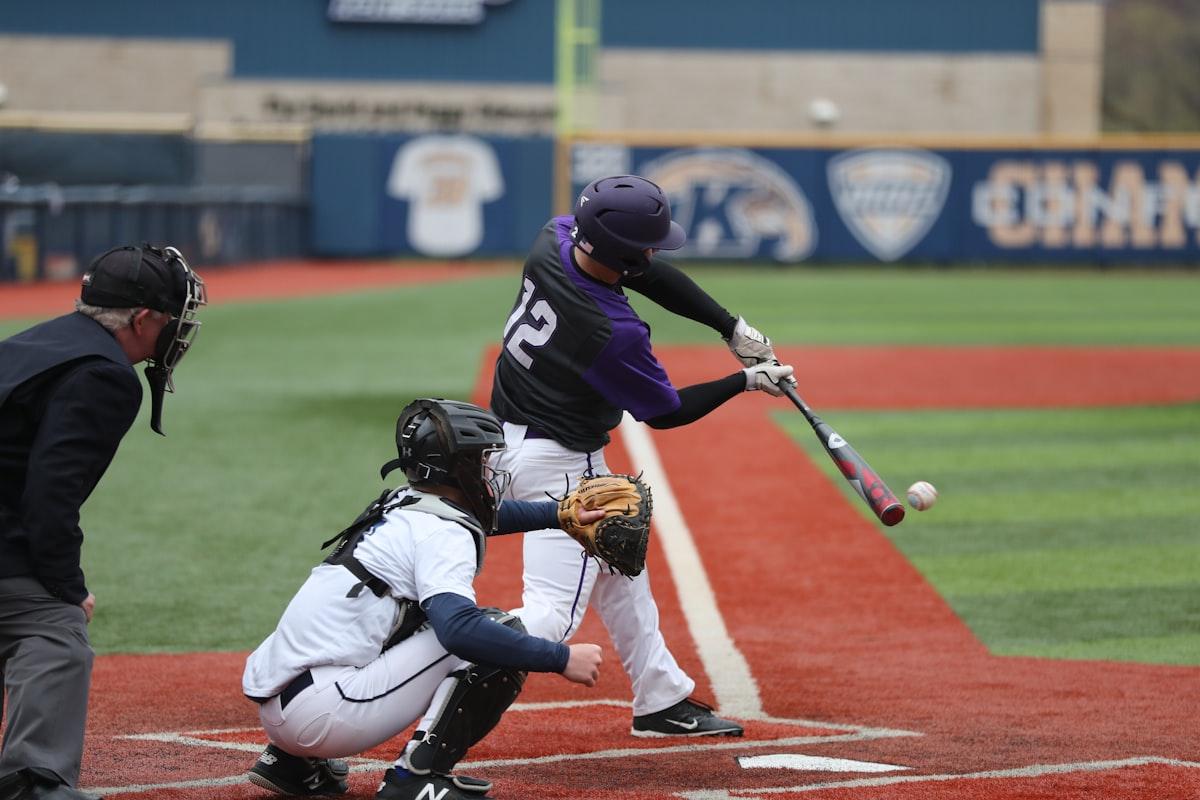
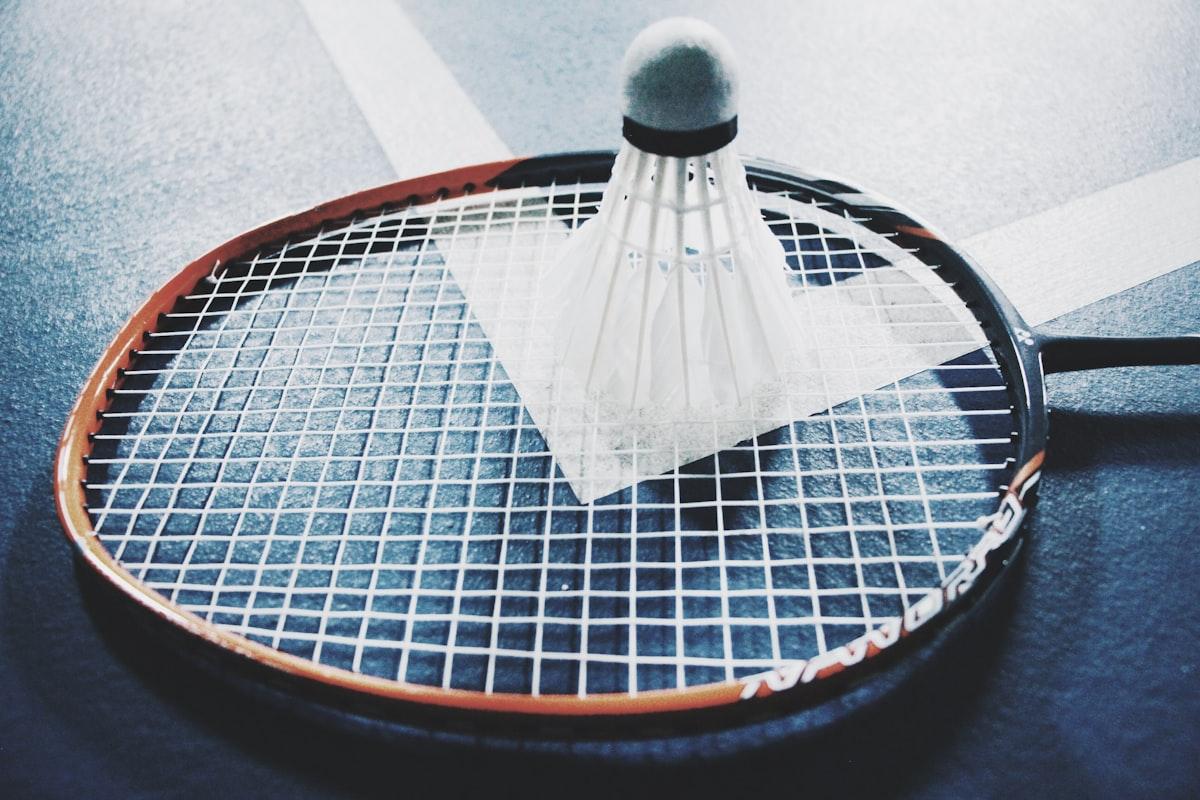
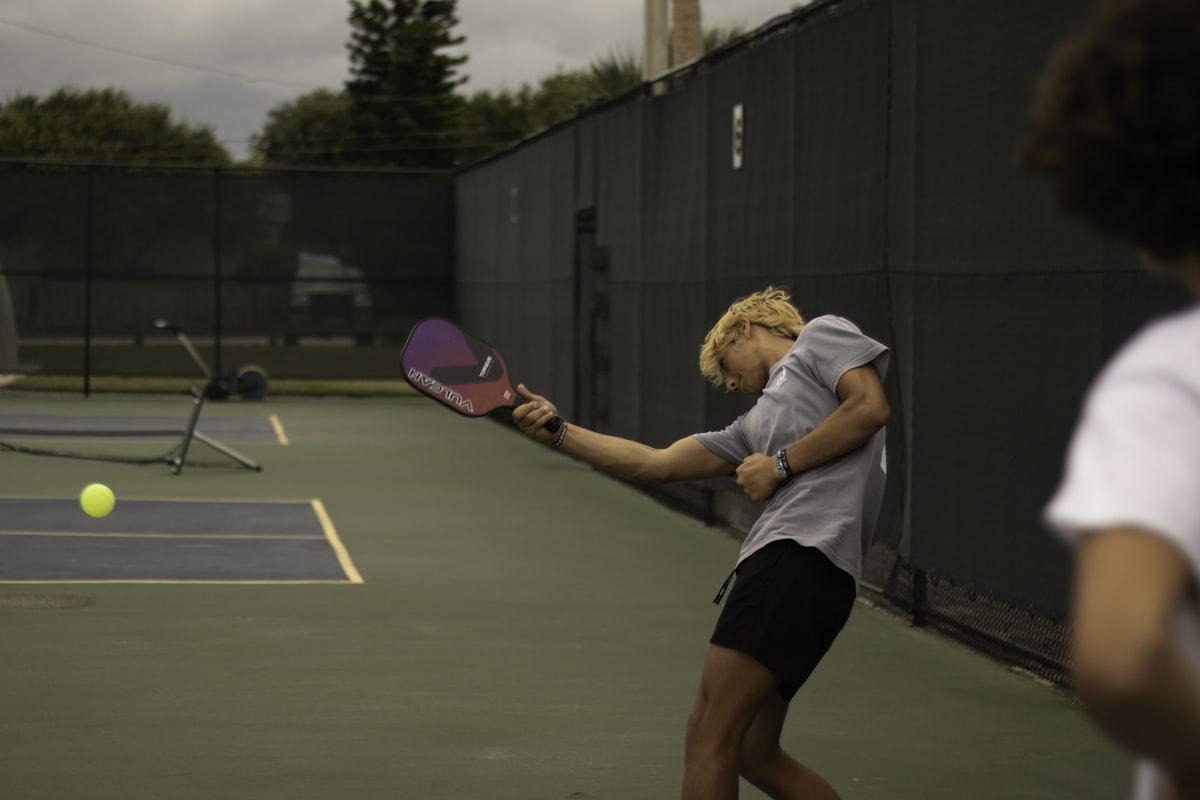
Movement literacy. Different sports develop different movement patterns. Cricket develops hand-eye coordination and rotational power. Badminton develops lateral agility and reflexive speed. Baseball develops throwing mechanics and bat-path control. Pickleball develops court positioning and soft touch. When an athlete has experience across multiple movement domains, they develop what sports scientists call “movement literacy,” the ability to learn new physical skills quickly because they have a broad base of movement experience to draw from.
Cognitive transfer. Sports are problem-solving environments. A cricket batsman reading a bowler’s line and length is doing the same kind of anticipatory processing as a badminton player reading an opponent’s racket angle before a smash. A baseball outfielder tracking a fly ball uses the same depth perception and trajectory calculation as a cricketer judging a high catch. These cognitive skills transfer across sports, making the athlete smarter and more adaptive in all of them.
Motivation and longevity. Burnout is the silent killer of youth sports careers. Studies consistently show that early specializers have higher dropout rates. The kids who are most likely to still be playing sports at age 18 are the ones who played multiple sports at age 12. Variety keeps the experience fresh, prevents the monotony of year-round single-sport training, and gives young athletes the emotional breathing room to develop a genuine, lasting love of competition and physical activity.
How LevelUP Makes Multi-Sport Training Practical
The biggest barrier to multi-sport training is logistics. If baseball practice is at one facility, badminton at another, and cricket at a third, parents spend more time driving than their kids spend training. That’s not sustainable.
Having six sports under one roof solves that problem. At LevelUP Sports, a young athlete can take batting practice in the cages, play a badminton academy session, and try pickleball, all in the same building, sometimes in the same evening. The Kids Agility program adds a sport-general athletic development layer that complements every sport-specific session.
This isn’t just convenient. It’s intentional. The facility was designed to make multi-sport development the default, not the exception. When switching sports means walking to a different court instead of driving to a different town, kids naturally gravitate toward trying new things.
What Multi-Sport Training Looks Like by Age
Ages 6-9: Explore everything. At this age, the goal is exposure, fun, and general athleticism. Try every sport available. Don’t worry about development pathways or competitive results. The best thing a young athlete can do at this age is build a broad foundation of movement skills through varied activity. Kids Agility training is ideal for this stage, supplemented by trying individual sports as interest develops.
Ages 10-12: Sample and develop. Kids at this age can handle more structured training, but should still be playing at least two sports. This is the age where they start to develop preferences, and that’s natural. Let them lean toward their favorites while still maintaining variety. A kid who loves baseball should absolutely do baseball academy training, but adding a session of badminton or cricket each week will make them a better overall athlete.
Ages 13-15: Narrow gradually. By early teens, most athletes begin gravitating toward a primary sport. That’s fine. The key word is “primary,” not “only.” Maintaining a secondary sport, even once a week, provides physical variety, mental freshness, and cross-training benefits. A cricket player who also plays badminton has better reflexes. A baseball player who plays pickleball has better hand-eye coordination.
Ages 16+: Specialize with a foundation. If an athlete wants to compete at high levels in a single sport, this is the appropriate age to increase specialization. But the multi-sport foundation they built in earlier years gives them advantages that pure specialists lack. They’re more adaptable, more resilient to injury, and more likely to have a long, healthy athletic career.
The Parent’s Role
Parents often feel pressure (from coaches, from other parents, from the culture) to specialize their child early. “If they don’t do travel baseball year-round, they’ll fall behind.” The research says the opposite. The kids who play multiple sports don’t fall behind. They catch up and pass the early specializers by high school.
Your job as a parent is to provide opportunities for variety and let your child lead. Sign them up for a session in a sport they’ve never tried. Let them play different sports in different seasons. Resist the urge to commit to year-round single-sport training before they’re in high school.
Getting Started with Multi-Sport Training
If you’re in the Elkton, MD or tri-state area, LevelUP Sports makes multi-sport exploration easy. Check the weekly schedule to see what’s available across baseball, cricket, badminton, pickleball, volleyball, and soccer. The Kids Agility program is a great entry point for younger athletes who aren’t ready to commit to a specific sport yet.
The evidence is clear. The path to athletic excellence doesn’t run through early specialization. It runs through broad, varied, joyful athletic experience, and a gradual narrowing as the athlete matures. Give your young athlete the gift of variety. Their future self will thank you.
Ready to train?
Put what you've learned into practice. Book a session at LevelUP Sports and work with our expert coaches.